From Prehistoric Communities to Ancient Civilizations
Time period: c. 30,000 BCE – 1000 BCE
Women in ancient history played vital roles in survival, social organization, and culture long before the rise of formal civilizations. From prehistoric hunter-gatherer societies to early complex civilizations in Mesopotamia and Egypt, women contributed to the economy, education, and religious life, even as emerging social and legal structures began limiting their autonomy. This article explores women’s lives across three key periods: prehistoric societies, the Neolithic Revolution, and early civilizations. It emphasizes education, social roles, legal rights, economic participation, and limitations imposed by patriarchal developments.
Prehistoric Hunter-Gatherer Societies (c. 30,000–10,000 BCE)
Social Roles and Structure
- Women gathered plants, small animals, and other food sources essential for survival.
- Childcare, cooking, and education of children were primarily women’s responsibilities.
- Men usually hunted large game, but gender roles were complementary rather than rigidly divided.
Education and Knowledge Transmission
- Women taught children about edible and medicinal plants, seasonal cycles, and survival strategies.
- Knowledge of astronomy, navigation, and ritual practices was preserved orally.
- Elder women often held advisory authority and guided community decisions.
Status and Power
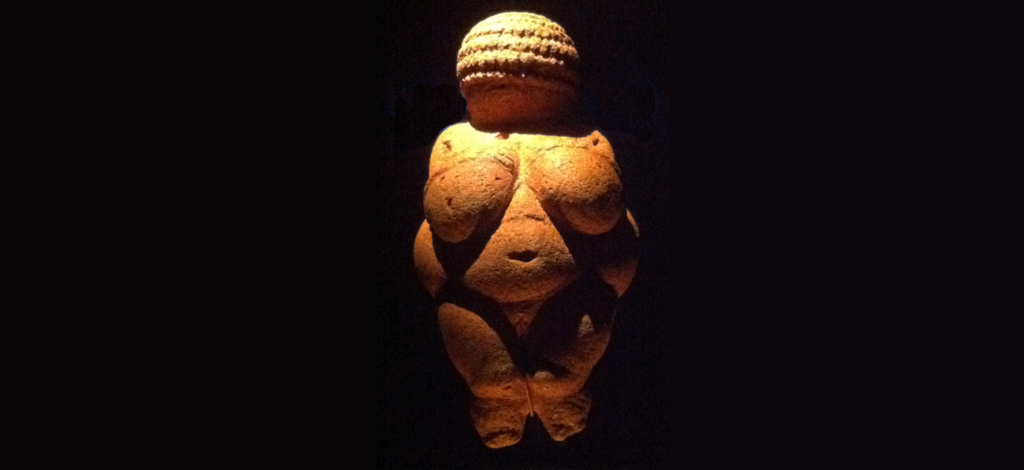
- Archaeological evidence, including burial sites with tools, jewelry, and symbolic figurines, indicates respect for women.
- While not matriarchal, many prehistoric societies were egalitarian.
- Women’s influence was substantial in domestic and cultural spheres, shaping early social norms.
Neolithic Revolution and Early Agrarian Communities (c. 10,000–4000 BCE)
Economic and Social Shifts
- Agriculture led to permanent settlements, altering women’s daily work.
- Women focused on household production, textile work, food processing, and childcare.
- Men increasingly controlled land, introducing property-based hierarchies that gradually reduced women’s autonomy.
Legal and Social Limitations
- Early agrarian communities codified rules for marriage, inheritance, and sexual conduct.
- Women’s autonomy was limited, and social roles became more regulated.
Education
- Women transmitted practical skills such as farming, crafts, and herbal medicine.
- Cultural, religious, and survival knowledge was preserved orally within households.
- Formal education remained rare, primarily accessible to elite members of society.
Women in Mesopotamia (c. 4000–1000 BCE)
Legal Rights and Social Roles
- Hammurabi’s Code (c. 1754 BCE) established laws regulating marriage, divorce, inheritance, and punishment.
- Women could own property, participate in temple economies, and manage businesses, but rights varied by social class.
- Elite women often exercised influence through religious and economic positions.
Education and Occupations
- Elite women could become scribes, priestesses, or artisans.
- Most women received informal education at home, learning domestic and craft skills.
- Women managed estates, workshops, and small businesses, contributing to local economies.
Notable Women
- Enheduanna (c. 2285–2250 BCE), high priestess and poet, is the earliest named author in history.
- Priestesses wielded significant influence in temples and local governance.
Limitations
- Political participation was minimal for most women.
- Patriarchal laws codified male authority over family and society.
- Women’s status heavily depended on class and familial connections.
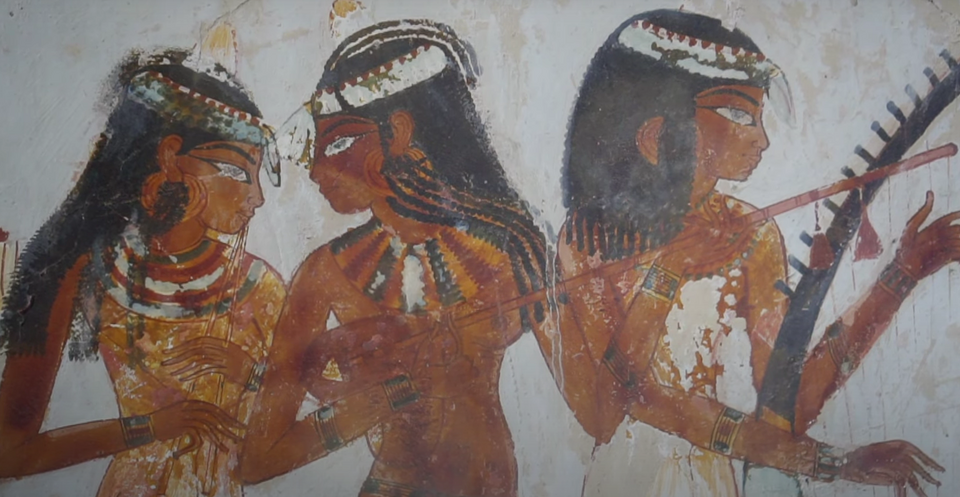
Women in Ancient Egypt (c. 4000–1000 BCE)
Legal Rights
- Women could independently own, inherit, and sell property.
- Marriage and divorce allowed women to retain personal possessions.
- Elite women could manage estates, finances, and business dealings.
Education and Occupations
- Elite women were educated in reading, writing, and accounting.
- Women served as physicians, artisans, administrators, and managers of temple economies.
- Common women engaged in household labor, craft production, and market trade.
Notable Women
- Merneith (c. 2900 BCE), female ruler during Egypt’s First Dynasty.
- Religious and administrative roles provided women influence despite societal constraints.
Religion and Symbolism
- Fertility and mother goddesses such as Isis, Hathor, and Maat played central roles in Egyptian culture.
- Priestesses and temple administrators held significant authority, controlling rituals and resources.
- Religious institutions offered a sphere of power outside domestic restrictions.
Limitations and Restrictions
- By 1000 BCE, women were increasingly defined in relation to men.
- Political and public roles were restricted, though some elite women exerted influence indirectly.
- Control over property, legal rights, and reproductive choices varied by class and civilization.
- Religious authority remained one of the few areas where women could wield significant power.