Clara Zetkin: The Woman Behind International Women’s Day
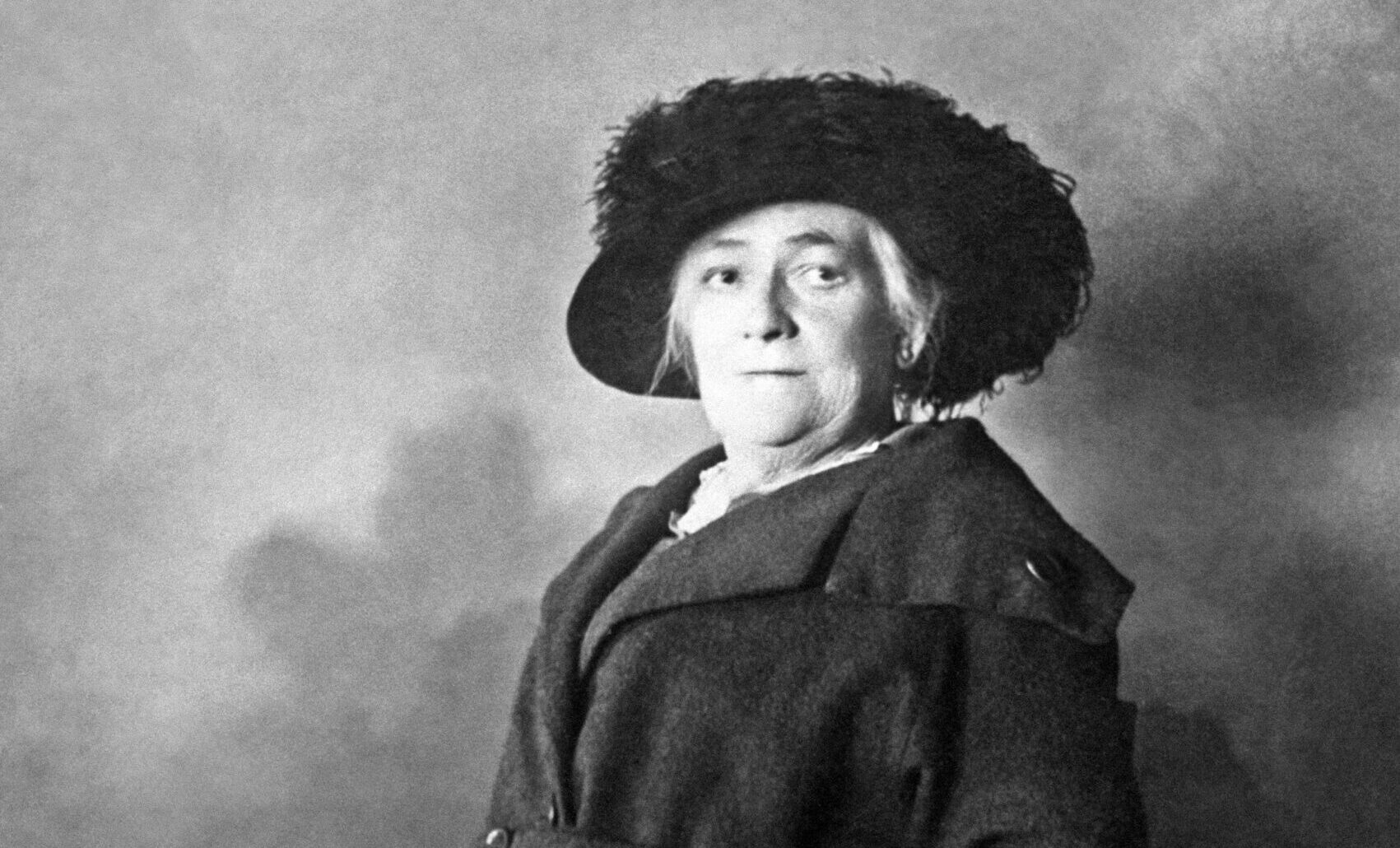
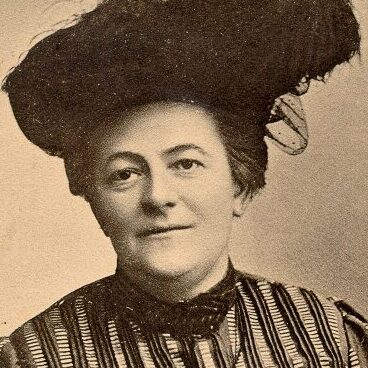
Clara Zetkin was a German political activist, Marxist theorist, and one of the most influential feminist leaders of the late 19th and early 20th centuries. She is best known for initiating International Women’s Day, a global event dedicated to women’s rights, equality, and social justice. Zetkin’s legacy lies at the intersection of feminism, labor movements, and political reform, making her a foundational figure in the history of women’s emancipation.
Early Life and Education
Clara Zetkin was born Clara Eißner on July 5, 1857, in Wiederau, Germany. Raised in a politically aware household, she was exposed early to progressive ideas about education and social equality. She studied to become a teacher at a time when women’s access to formal education was severely restricted. Her academic background played a crucial role in shaping her later work as a writer, editor, and political thinker.
Feminism and Socialist Thought
Zetkin believed that women’s liberation could not be achieved without broader social and economic transformation. Unlike liberal feminists of her time, she argued that women’s oppression was deeply tied to class struggle and capitalism. She rejected the idea that gender equality could be achieved solely through legal reforms, insisting instead on systemic change that included economic independence and labor rights for women.
International Women’s Day
In 1910, at the International Socialist Women’s Conference in Copenhagen, Clara Zetkin proposed the establishment of an annual International Women’s Day. The goal was to unite women across nations in the fight for suffrage, labor rights, and political representation. The idea was widely adopted, and International Women’s Day is now celebrated every year on March 8, recognized globally as a symbol of women’s rights and solidarity.
Anti-War Activism and Political Resistance
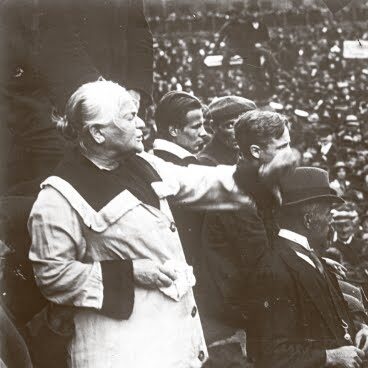
During World War I, Zetkin became a prominent anti-war voice, opposing militarism and nationalism. Her stance placed her at great personal risk, including arrest and political persecution. She later served as a member of the German Reichstag, where she continued to advocate for peace, workers’ rights, and gender equality.
Women, Power, and Political Leadership
Clara Zetkin challenged the exclusion of women from political power, arguing that true democracy could not exist without women’s full participation. She emphasized collective action, education, and international solidarity as essential tools for social change. Her leadership model contrasted sharply with traditional male-dominated political structures, prioritizing cooperation over hierarchy.
Legacy and Historical Impact
Clara Zetkin’s influence extends far beyond International Women’s Day. Her writings and activism shaped feminist theory, labor movements, and socialist politics across Europe and beyond. While some of her ideological positions remain debated, her contribution to women’s political mobilization is undeniable.
Why Clara Zetkin Still Matters Today
In a world where women’s rights remain unevenly protected, Zetkin’s insistence on structural change and international cooperation remains deeply relevant. Her life reminds us that gender equality is inseparable from broader struggles for social justice.