Ada Lovelace: The World’s First Computer Programmer and Pioneer of Computing Introduction
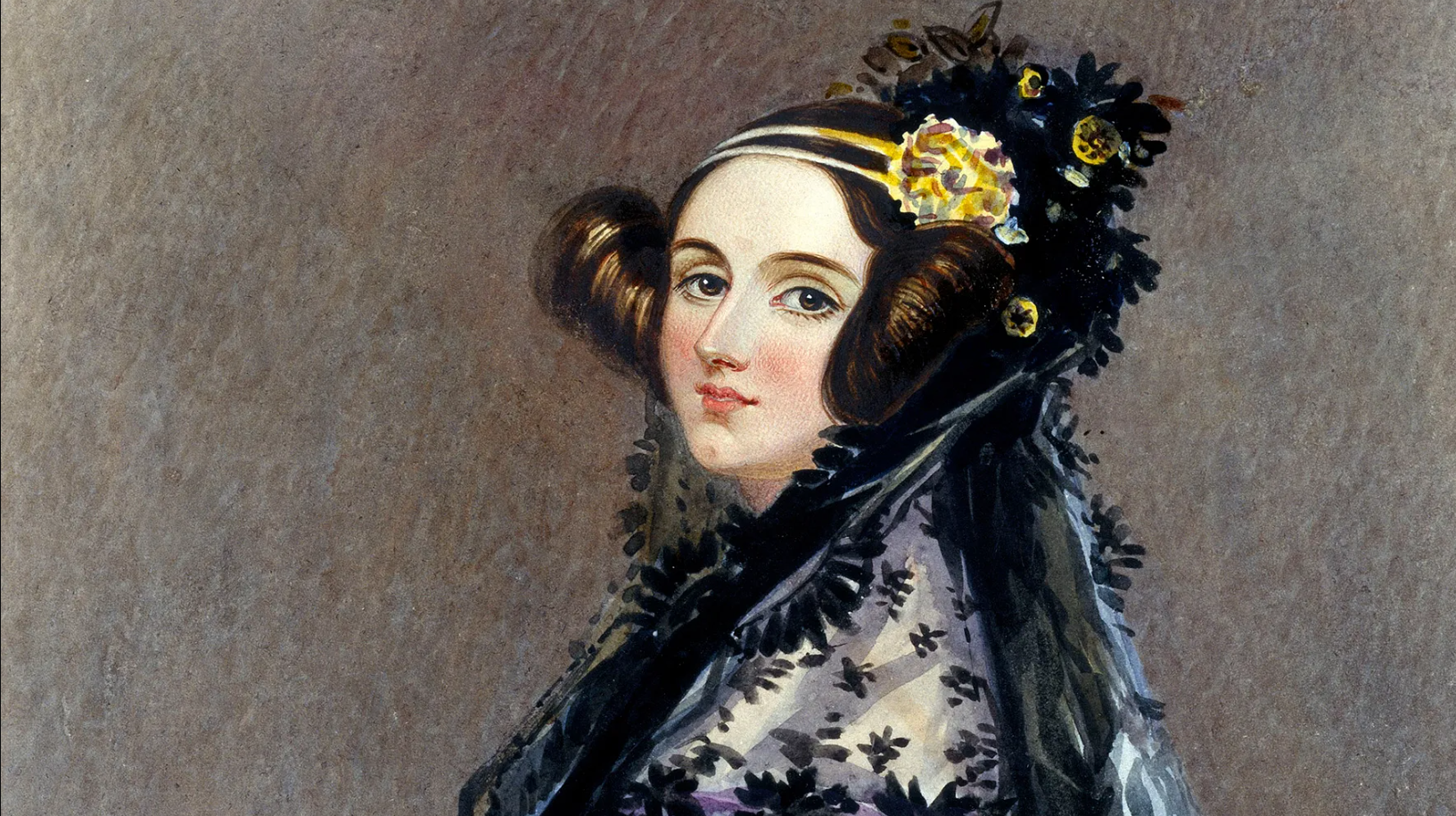
Ada Lovelace is widely recognized as the world’s first computer programmer and one of the most influential women in the history of science and technology. Working in the 19th century – long before modern computers existed – she envisioned the potential of machines to go far beyond calculation. Her ideas laid the conceptual foundation for modern computing, programming, and artificial intelligence. Today, Ada Lovelace stands as a central figure in discussions about women in STEM, the history of computing, and the often-overlooked contributions of women to technological progress.
Early Life and Education A Childhood Shaped by Science and Logic
Augusta Ada King, Countess of Lovelace, was born in 1815 in London. She was the daughter of the famous poet Lord Byron and mathematician Annabella Milbanke. Determined to prevent Ada from developing what she saw as Byron’s “dangerous imagination,” her mother ensured Ada received a rigorous education in mathematics, logic, and science – an extraordinary path for a woman of that era.
Education in a Male-Dominated World
At a time when women were largely excluded from formal scientific education, Ada studied mathematics privately with leading scholars, including Augustus De Morgan. Her education combined analytical rigor with creative thinking, a fusion that would later define her groundbreaking work.
Ada Lovelace and Charles Babbage The Analytical Engine
Ada Lovelace met Charles Babbage, the inventor of the Analytical Engine, an early mechanical design for a general-purpose computer. While Babbage conceived the machine, it was Ada who truly understood its revolutionary potential. The First Computer Program In 1843, Ada translated an article about the Analytical Engine from French to English and added extensive notes – now known as the famous “Notes A – G.” Within these notes, she included an algorithm designed to calculate Bernoulli numbers, making it the first published computer program in history.
Vision Beyond Calculation A Machine That Could Think
Symbolically
Ada Lovelace foresaw that computers could manipulate symbols, create music, and generate art – ideas that would not be realized until more than a century later. This conceptual leap distinguished her from her contemporaries and positioned her as a visionary thinker.
Foundations of Modern Computing
Her work anticipated key principles of modern computer science, including:
- Software as distinct from hardware
- Algorithmic processing
- The creative potential of machines These ideas make her a foundational figure not only in programming but also in discussions surrounding artificial intelligence.
Barriers Faced as a Woman in Science Gender and Recognition
Despite her intellectual achievements, Ada Lovelace’s work was long minimized or attributed primarily to Charles Babbage. This reflects a broader historical pattern in which women’s contributions to science were overlooked or dismissed.
Legacy Reclaimed
In the 20th century, historians of science revisited Ada Lovelace’s work, recognizing her originality and profound influence on computing theory.
Ada Lovelace’s Legacy Influence on Women in STEM
Ada Lovelace has become a symbol of women’s contributions to technology and science. Initiatives such as Ada Lovelace Day celebrate women in STEM fields and aim to inspire future generations.
Lasting Impact
Today, programming languages, awards, and institutions bear her name, reinforcing her status as a pioneer whose ideas shaped the digital age.
Why Ada Lovelace Still Matters Today
Ada Lovelace’s story challenges the myth that women are newcomers to technology. Her life demonstrates that women have always been thinkers, innovators, and visionaries-even when history failed to acknowledge them. Her legacy reminds us that progress in science and technology depends not only on machinery, but on imagination, insight, and the courage to think differently.