Frida Kahlo: Identity, Pain, and the Power of Self-Expression
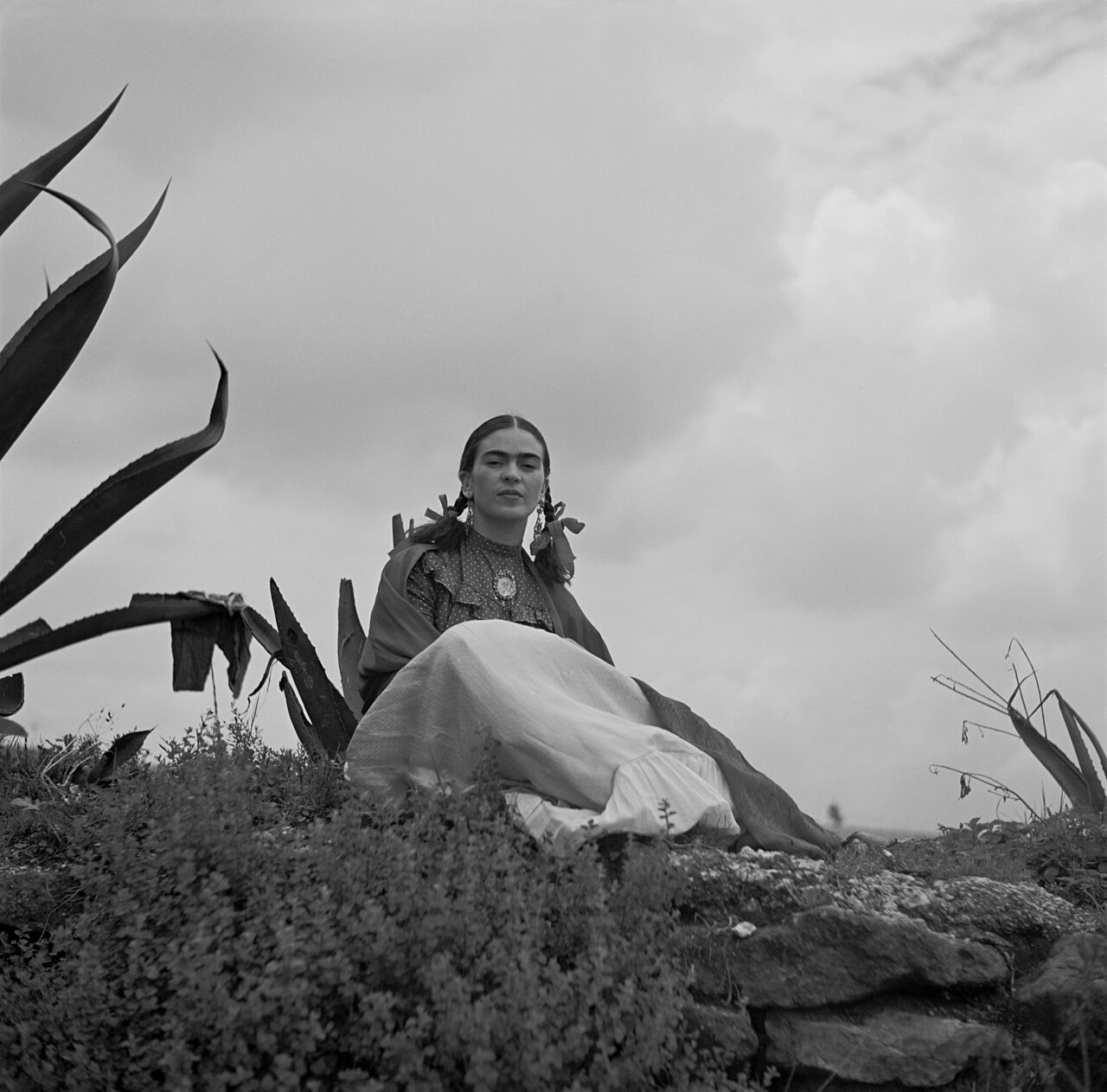
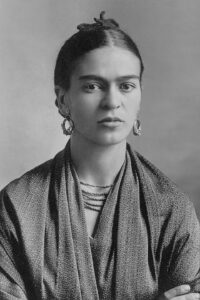
Frida Kahlo is one of the most recognizable and influential women artists of the 20th century. Her work transcends traditional art categories, combining personal pain, political identity, and cultural heritage into a deeply symbolic visual language. Far beyond being simply a painter, Frida Kahlo became a global icon of resilience, feminism, and self-definition. Today, her legacy continues to shape conversations around women in art, disability, identity, and emotional authenticity.
Early Life and Cultural Roots Childhood in Post-Revolutionary Mexico
Frida Kahlo was born in 1907 in Coyoacán, Mexico. Growing up during the aftermath of the Mexican Revolution, she was deeply influenced by indigenous Mexican culture, nationalism, and folk traditions—elements that would later define her artistic style.
Illness and the Beginning of Art
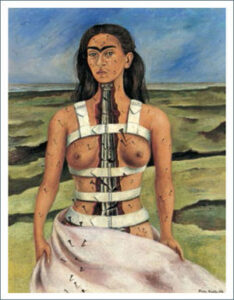
At the age of six, Frida contracted polio, which left her with lifelong physical challenges. At eighteen, a devastating bus accident caused severe injuries that resulted in chronic pain and repeated surgeries. During her long periods of recovery, she began painting—using art as both expression and survival.
Frida Kahlo’s Artistic Style Self-Portraits as Identity Exploration
Nearly one-third of Frida Kahlo’s paintings are self-portraits. Rather than idealizing herself, she depicted her body and emotions with raw honesty, confronting themes such as:
- Physical pain and disability
- Infertility and loss
- Gender and identity
- Emotional trauma
Her work rejected traditional beauty standards and instead embraced authenticity.
Beyond Surrealism
Although often associated with Surrealism, Kahlo rejected the label, stating that she painted her own reality—not dreams. Her art is grounded in lived experience, cultural symbolism, and emotional truth.
Frida Kahlo, Politics, and Feminism Political Identity
Frida Kahlo was politically active and openly aligned with leftist ideology. Her art frequently reflected themes of colonialism, class struggle, and national identity, positioning her work within broader social and political discourse.
A Feminist Icon
Though she did not explicitly label herself a feminist, Frida Kahlo’s life and work embodied feminist principles:
- Control over her own image
- Honest representation of female pain and desire
- Rejection of imposed gender norms
She challenged the idea that women’s experiences should remain invisible or sanitized.
Relationship with Diego Rivera Love, Conflict, and Influence
Frida’s marriage to muralist Diego Rivera was passionate and turbulent. While Rivera supported her career, Kahlo’s work was long overshadowed by his fame. Only decades later was her independent artistic significance fully recognized.
Barriers Faced as a Woman Artist Recognition During Her Lifetime
During her lifetime, Frida Kahlo was often viewed primarily as Rivera’s wife rather than as an artist in her own right. This reflects a broader historical pattern of women artists being marginalized or excluded from the art canon.
Rediscovery and Global Recognition
In the late 20th century, feminist art historians and scholars reclaimed Kahlo’s legacy, establishing her as a central figure in modern art history.
Frida Kahlo’s Legacy Cultural and Artistic Impact
Today, Frida Kahlo is a symbol of:
- Artistic independence
- Disability representation
- Cultural identity
- Emotional honesty
Her image and work resonate across generations, cultures, and movements.
Why Frida Kahlo Still Matters
Frida Kahlo’s art reminds us that personal experience – especially women’s experience – is a powerful source of knowledge and creativity. She transformed pain into language, identity into art, and self-portraiture into resistance.
Frida Kahlo was not merely an artist; she was a storyteller of embodied experience. Her life and work continue to challenge stereotypes, expand the boundaries of art, and affirm the importance of women’s voices in cultural history.