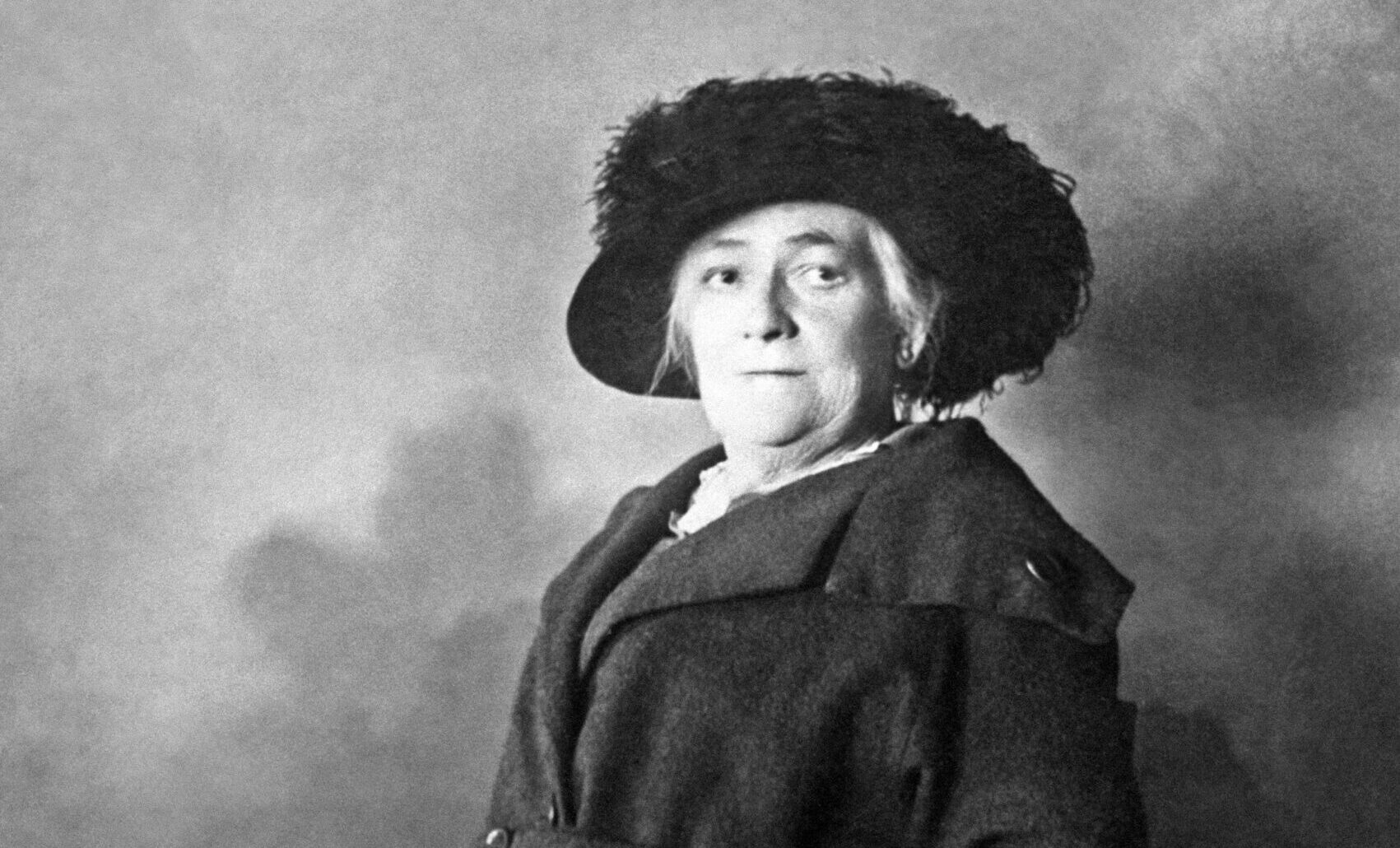
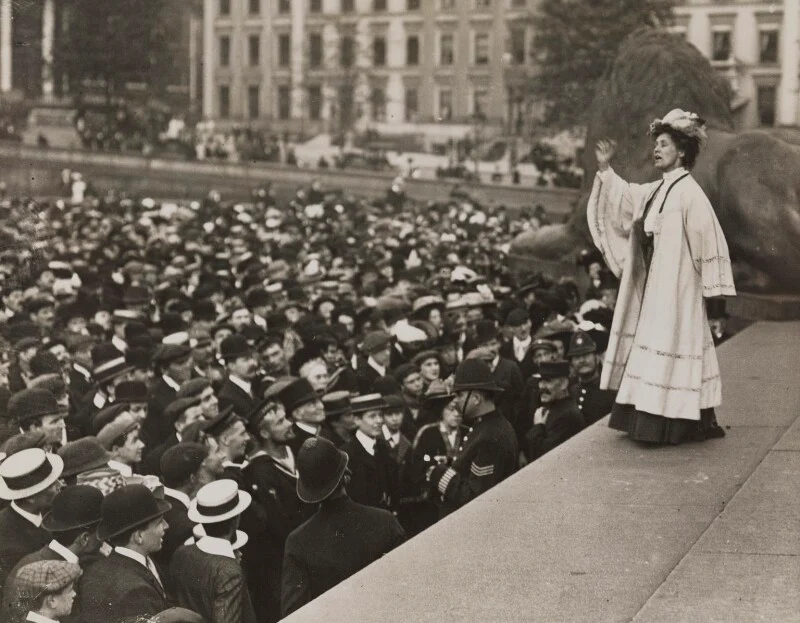
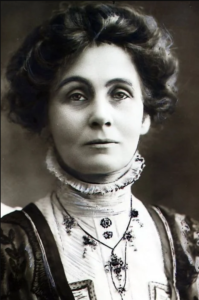
Emmeline Pankhurst: Leader of the British Suffragette Movement
Emmeline Pankhurst (1858-1928) was a British political activist and leader of the women’s suffrage movement. She founded the Women’s Social and Political Union (WSPU), a militant organization that fought for women’s right to vote in the United Kingdom. Pankhurst’s courage and determination made her a symbol of women’s struggle for political equality and inspired movements around the world. Her life demonstrates how activism, persistence, and organized collective action can challenge entrenched social norms.
Early Life and Education
Emmeline Goulden was born on July 15, 1858, in Manchester, England, into a politically active family. Her parents encouraged education and social awareness, giving her a strong sense of justice and civic responsibility. She became involved in social reform movements at a young age, advocating for women’s rights, education, and labor reforms. Her early activism laid the foundation for her later leadership in the suffrage movement.
Founding the Women’s Social and Political Union
In 1903, Pankhurst founded the WSPU, an organization committed to achieving women’s suffrage through direct action. Its motto, “Deeds, not words”, reflected a strategy of militant activism, including:
- Public demonstrations and rallies
- Civil disobedience and hunger strikes
- Arrests and imprisonment to draw attention to the cause The WSPU was controversial but effective, bringing national and international attention to women’s exclusion from political life.
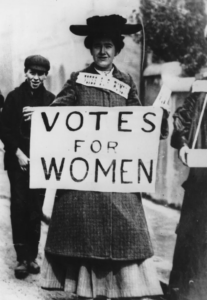
Militant Tactics and Imprisonment
Pankhurst and her followers frequently faced arrest and imprisonment. Hunger strikes were a common tactic to protest the harsh treatment of imprisoned suffragettes, and the government often responded with force-feeding, drawing public outrage. Despite criticism for militancy, Pankhurst maintained that peaceful methods alone were insufficient to achieve the urgent goal of political equality.
Achievements and Legacy
Emmeline Pankhurst’s efforts contributed directly to the eventual granting of voting rights to women in the UK:
- 1918: Women over 30 gained the right to vote
- 1928: Equal voting rights achieved for women over 21 Her influence extended globally, inspiring suffrage movements in other countries and shaping modern feminist activism.
Why Emmeline Pankhurst Matters Today
Emmeline Pankhurst remains a symbol of courage, resilience, and strategic activism. She shows that meaningful social change often requires:
- Persistence in the face of opposition
- Willingness to challenge societal norms
- Organized collective action.
Her story continues to inspire women’s rights activists, political reformers, and anyone committed to equality and justice.