
From Prehistoric Societies to Modern Freedom
The struggle for women’s rights and freedoms is a long story that spans thousands of years. From prehistoric societies, where survival and clan hierarchies defined daily life, to modern legal and social equality, women’s status has evolved dramatically.
Education, property rights, and political participation have historically been limited, but over time women fought for recognition, autonomy, and equality.
Understanding this history allows us to see how far women have come and the challenges that remain.
Prehistoric and Early Human Societies
Social Structure and Gender Roles
• In hunter-gatherer societies (before 3000 BCE), women often gathered food while men hunted.
• Societies were largely egalitarian in terms of survival, but physical strength and reproductive roles influenced social status.
• Evidence from archaeological sites suggests women had roles in tribal leadership, ritual practices, and tool production.
Education and Knowledge Transmission
• Formal education did not exist, but knowledge about agriculture, herbal medicine, child-rearing, and rituals was passed from women to younger generations.
• Women acted as keepers of practical knowledge, crucial for survival.
Ancient Mesopotamia (c. 3500–500 BCE)
Social Hierarchy
• Society was stratified: kings and priests at the top, merchants and artisans in the middle, and slaves at the bottom.
• Women’s roles were primarily domestic, but upper-class women could own property and manage households.
Education
• Education was generally reserved for boys; however, some elite women could learn literacy, accounting, and temple administration.
• Priestesses held religious authority, which occasionally included access to astronomy, medicine, and literature.
Legal Rights
• Women could inherit property, engage in business contracts, and obtain divorces under certain conditions.
• Laws like the Code of Hammurabi codified protections for women, though they were limited and patriarchal.
Ancient Egypt (c. 3100–30 BCE)
Social and Legal Status
• Women had more legal rights than in most contemporary civilizations: they could own land, inherit property, and run businesses.
• Queens and noblewomen could wield political influence; Hatshepsut even ruled as pharaoh.
Education
• Education for girls was limited but not unheard of; elite girls learned reading, writing, and administrative skills.
• Women could serve as scribes, priestesses, or artisans in temples, giving them access to specialized knowledge.
Cultural Roles
• Women participated in religious rituals, arts, and commerce.
• Marriage and motherhood were central, but women maintained legal independence in property and contracts.
Ancient Greece (c. 800–146 BCE)
Social Status
• Women were largely excluded from public life.
• Roles focused on home, family, and child-rearing.
• Spartan women had more freedoms than Athenian women, including property ownership and physical training.
Education
• Limited mostly to elite families; girls learned domestic skills, music, and basic literacy.
• Philosophy, politics, and advanced sciences were largely inaccessible to women.
Legal Rights
• Married women were under male guardianship and could not vote or hold office.
• Property rights were restricted, though widows sometimes controlled estates.
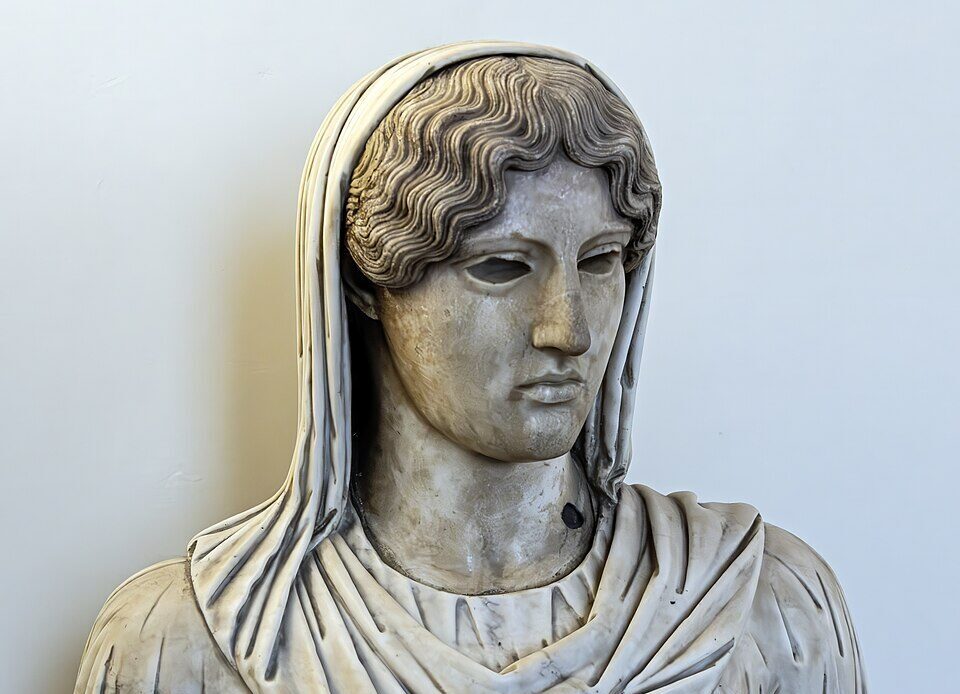
Ancient Rome (c. 509 BCE–476 CE)
Social Hierarchy
• Patrician and plebeian classes defined social roles.
• Elite women could influence politics indirectly through family connections.
Education
• Wealthy girls could receive instruction in reading, writing, philosophy, and arts.
• Education for lower-class women was minimal, focusing on domestic responsibilities.
Legal Rights
• Women could own property, inherit wealth, and engage in business, but male guardianship limited autonomy.
• Marriage laws were patriarchal; divorces were possible but socially constrained.
Middle Ages (5th–15th Century)
Europe
• Rights were tied to social class; noblewomen could manage estates, but peasants had limited autonomy.
• Education was rare; convents were centers where women could study, read, and write.
Islamic World
• Women had legal rights in marriage, inheritance, and business.
• Education was encouraged for girls in some regions, particularly for literacy and religious knowledge.
Asia
• Confucian norms in China limited women’s roles, emphasizing obedience to father, husband, and son.
• Some elite women engaged in arts, literature, and political counsel.
Renaissance and Early Modern Era (15th–18th Century)
Education
• Aristocratic girls sometimes received advanced education in literature, arts, and languages.
• Thinkers like Christine de Pizan argued for universal female education and intellectual development.
Social and Legal Status
• Women’s legal rights remained limited, particularly in marriage and property law.
• Widows often gained temporary autonomy.
19th–Early 20th Century: Awakening of Women’s Rights Movements
Education and Employment
• Women gradually gained access to secondary schools and universities.
• Teaching and nursing became early professional careers for women.
Suffrage Movements
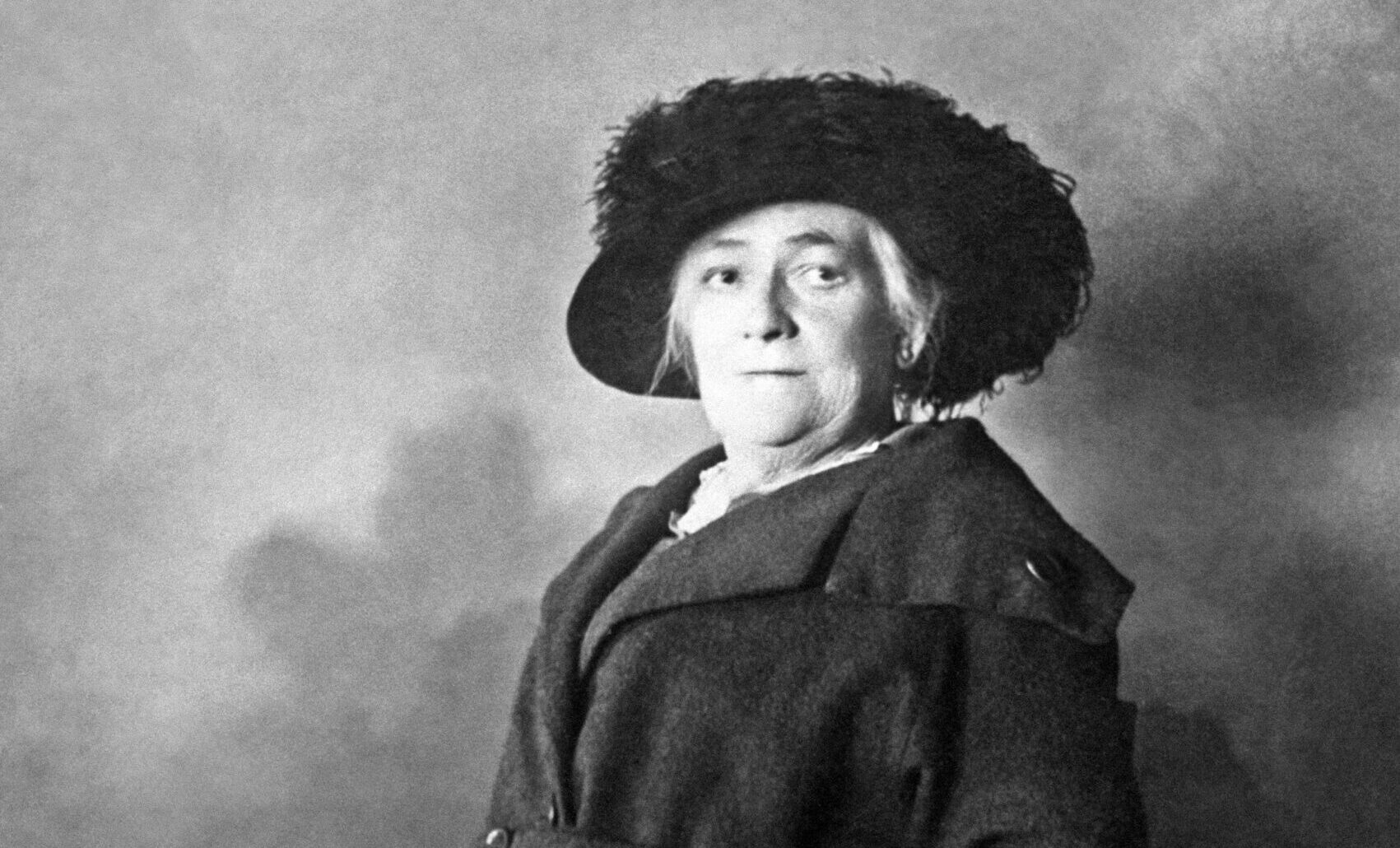
• Advocates like Clara Zetkin, Emmeline Pankhurst, Susan B. Anthony fought for voting rights.
• First successes: New Zealand (1893), Australia, parts of Europe, culminating in broader legal reforms in the 20th century.
20th Century: Legal, Social, and Cultural Advances
• Voting rights achieved globally for women in many countries.
• Workplace participation expanded; laws against discrimination emerged.
• Reproductive rights and autonomy became central to women’s freedom.
• Feminist movements (Second Wave) emphasized equality in education, careers, and social norms.


21st Century: Modern Rights and Ongoing Challenges
• Women participate in politics, business, and education worldwide.
• Legal protections exist against workplace discrimination, harassment, and gender-based violence.
• Challenges remain: wage gaps, underrepresentation in leadership, cultural barriers in some countries.
Key Achievements in Women’s Rights History
• Access to education and literacy
• Voting rights and political representation
• Property, inheritance, and business rights
• Legal recognition of autonomy and reproductive freedoms
• Breaking social and cultural stereotypes
The history of women’s rights shows a gradual shift from limited autonomy and legal restrictions to education, political participation, and social freedoms. While much progress has been made, understanding the historical context emphasizes the importance of continuing the fight for global gender equality and women’s empowerment.