Hypatia of Alexandria (c. 360-415 CE) was a pioneering mathematician, astronomer, and philosopher in the late Roman Empire. Renowned as one of the first women to make significant contributions to science and education, she taught mathematics and philosophy in Alexandria, influencing generations of scholars. Hypatia’s life and tragic death symbolize the struggle for knowledge, reason, and intellectual freedom, and her legacy continues to inspire scientists, philosophers, and feminists around the world.
Early Life and Education
Hypatia was born in Alexandria, Egypt, into a prominent Greek-speaking family. Her father, Theon, was a mathematician and astronomer who educated her in mathematics, astronomy, and philosophy. Unlike most women of her time, Hypatia received a comprehensive education, allowing her to master complex subjects including geometry, algebra, and astronomy.
Contributions to Mathematics and Astronomy
Hypatia made significant contributions to:
- Mathematics: Teaching and expanding upon works of Euclid and Diophantus, making geometry and arithmetic more accessible to students.
- Astronomy: Writing commentaries on Ptolemy’s Almagest and other astronomical texts.
- Mechanical devices: Hypatia is believed to have helped design astrolabes and hydrometers for educational purposes. Her work focused on clarity of explanation and pedagogy, and she was revered as a teacher who could inspire both men and women to pursue intellectual inquiry.
Philosophy and Teaching
Hypatia was a prominent figure in Neoplatonism, a philosophical school emphasizing logic, ethics, and the pursuit of truth. She taught:
- Mathematics and astronomy as practical and theoretical disciplines
- Philosophy as a tool for ethical living and rational thought Her lectures attracted students from across the Mediterranean, including Christians, Jews, and pagans, reflecting her inclusive intellectual approach.
Political Context and Death
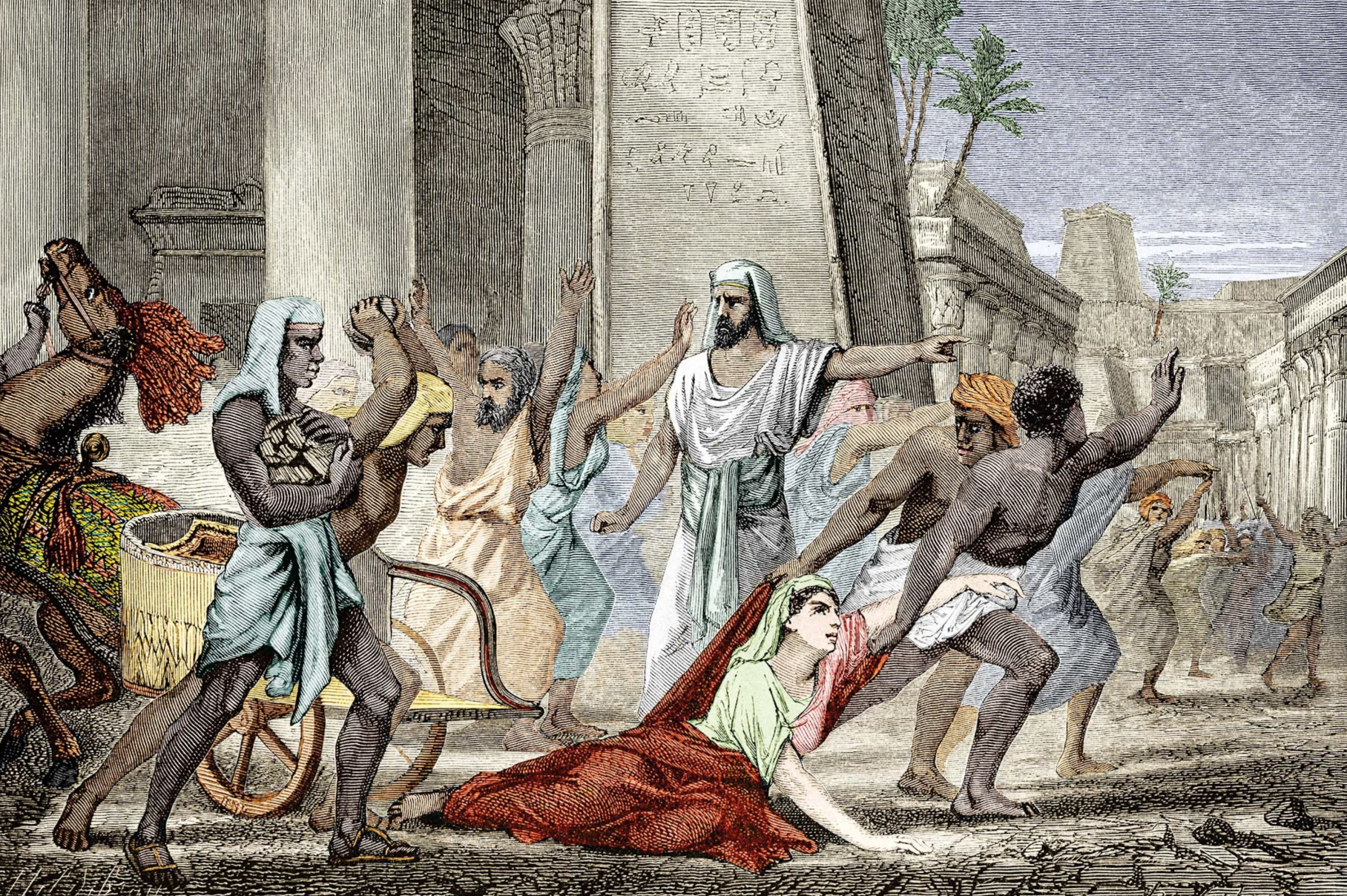
Hypatia lived in a politically turbulent Alexandria, marked by tension between Christians, pagans, and the Roman authorities. Her influence as an educator and advisor made her a target in these conflicts. In 415 CE, she was brutally murdered by a mob of Christian zealots. Her death has been interpreted as a symbol of the conflict between knowledge and fanaticism, and it marked the decline of classical learning in Alexandria.
Legacy
Hypatia’s life is remembered as a beacon of:
- Women in STEM: one of the first well-documented female scientists
- Intellectual courage: defending reason and education against social and political pressures
- Inspiration for modern feminism and scholarship Books, films, and academic studies have commemorated her as a figure who embodies the pursuit of knowledge and equality.
Why Hypatia Matters Today
Hypatia reminds us that:
- Education is a right, not a privilege
- Women can and should participate fully in scientific and philosophical inquiry Intellectual freedom is essential for progress and social stability
Her story continues to inspire discussions about women in science, gender equality, and the protection of knowledge in society.