Simone de Beauvoir: Philosopher Who Redefined Womanhood
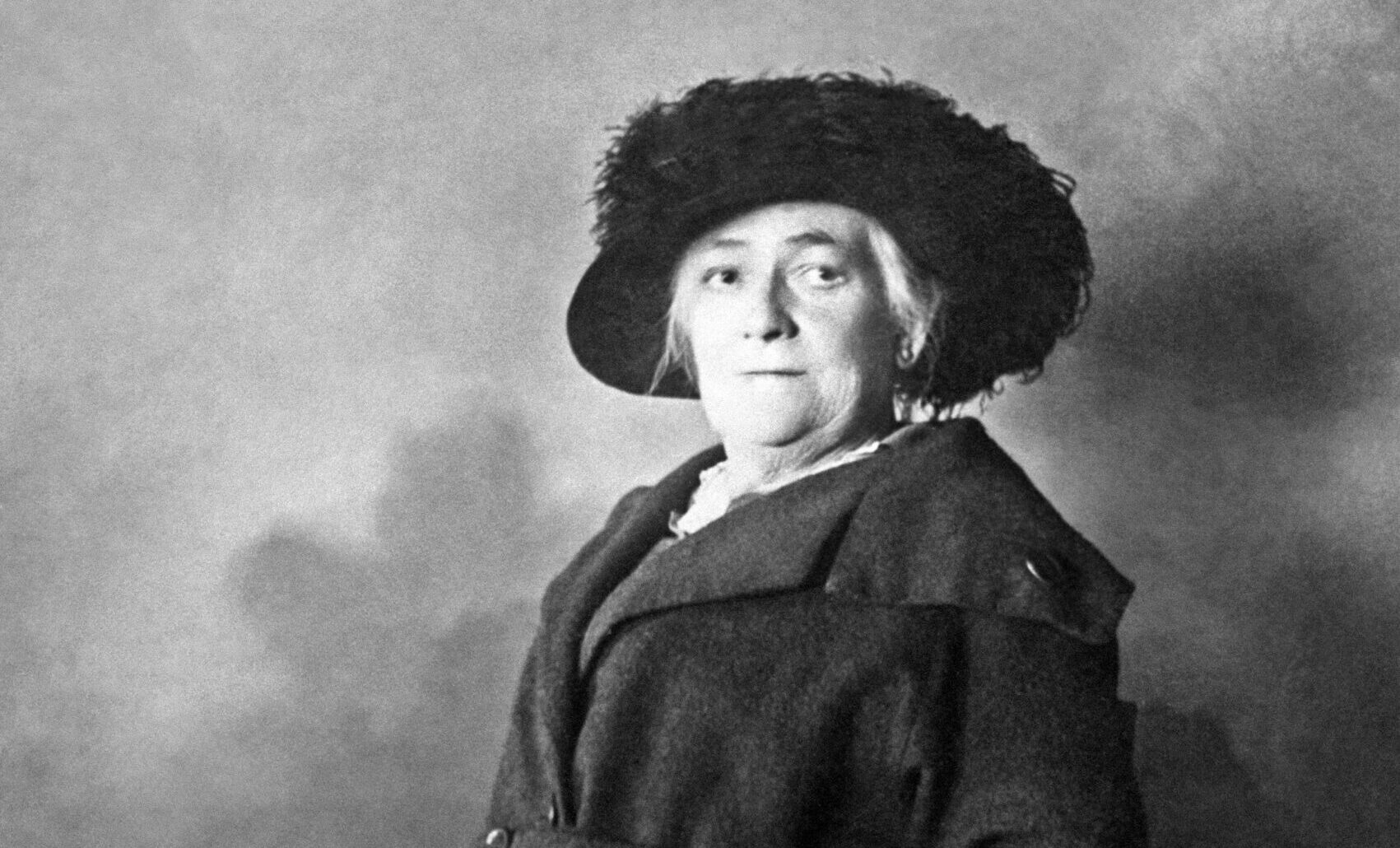
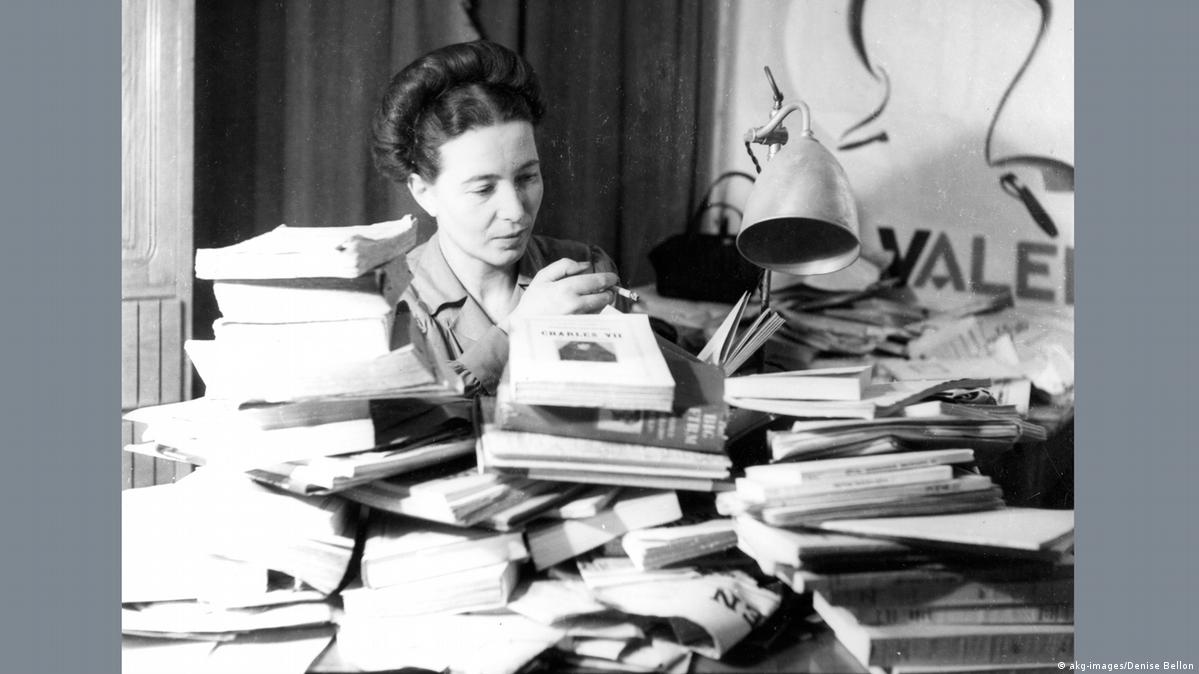
Simone de Beauvoir was one of the most influential intellectuals of the 20th century and a foundational figure of modern feminist thought. A philosopher, writer, political activist, and public intellectual, she fundamentally changed how society understands gender, freedom, and identity. Her groundbreaking work The Second Sex reshaped feminist theory and remains one of the most important philosophical texts ever written about women. Beauvoir’s ideas continue to influence philosophy, gender studies, literature, and political discourse worldwide.
Early Life and Education
Simone de Beauvoir was born on January 9, 1908, in Paris, France, into a bourgeois Catholic family. Despite social expectations that prioritized marriage over education for women, she demonstrated exceptional intellectual abilities from an early age. She studied philosophy at the Sorbonne, where she became one of the youngest people to pass the prestigious agrégation exam. In a male-dominated academic environment, Beauvoir’s success was extraordinary and signaled the emergence of a new female intellectual authority.
Existentialism and Intellectual Partnership
Beauvoir is closely associated with existentialism, a philosophical movement focused on freedom, responsibility, and the construction of meaning. Her lifelong intellectual partnership with Jean-Paul Sartre was unconventional and controversial, challenging traditional norms of marriage, monogamy, and gender roles. While often described as “Sartre’s companion,” Beauvoir was an independent thinker whose philosophical contributions stand on their own. Her work expanded existentialism by applying it to lived experience, particularly the experience of women.


The Second Sex and Feminist Revolution
Published in 1949, The Second Sex (Le Deuxième Sexe) is Simone de Beauvoir’s most influential work. The book examines how women have historically been defined as the “Other” in relation to men. Her most famous statement – “One is not born, but rather becomes, a woman” – challenged biological determinism and introduced the idea that gender is socially constructed. Key ideas from The Second Sex:
- Womanhood is shaped by culture, education, and social structures
- Patriarchy limits women’s freedom and autonomy
- Biology does not determine destiny
- Economic independence is crucial for women’s liberation
The book was controversial upon release, banned in several countries, and criticized by religious and conservative institutions – yet it became a cornerstone of second-wave feminism.
Women, Freedom, and Responsibility
Beauvoir argued that women’s oppression was not natural or inevitable, but the result of historical conditions and social systems. However, she also emphasized individual responsibility, urging women to actively pursue freedom rather than internalize imposed roles. Her philosophy rejected victimhood while acknowledging systemic inequality, creating a nuanced framework that still resonates today.
Political Activism and Later Life
Beyond philosophy and literature, Simone de Beauvoir was deeply engaged in political activism. She supported women’s reproductive rights, signed the Manifesto of the 343 (advocating for abortion rights in France), and openly addressed taboo topics such as sexuality, aging, and motherhood. Her later works, including The Coming of Age, explored how society marginalizes not only women, but also the elderly. Simone de Beauvoir died on April 14, 1986, in Paris, leaving behind a legacy that continues to shape feminist discourse.
Legacy and Cultural Impact
Simone de Beauvoir’s influence extends far beyond feminism. Her ideas contributed to:
- Gender studies and queer theory
- Sociology and anthropology
- Political philosophy
- Modern discussions on identity and equality
She transformed feminism from a purely political movement into a rigorous intellectual tradition grounded in philosophy and critical analysis.
Why Simone de Beauvoir Still Matters Today
In a world still grappling with gender inequality, Beauvoir’s insights remain strikingly relevant. Her insistence that equality does not mean reversing oppression, but dismantling unjust systems, directly counters the myth that feminism seeks to remove rights from men. Simone de Beauvoir envisioned a society where freedom is shared, not redistributed at the expense of others.