Women in Classical Antiquity: Greece and Rome
Time period: c. 1000 BCE – 500 CE
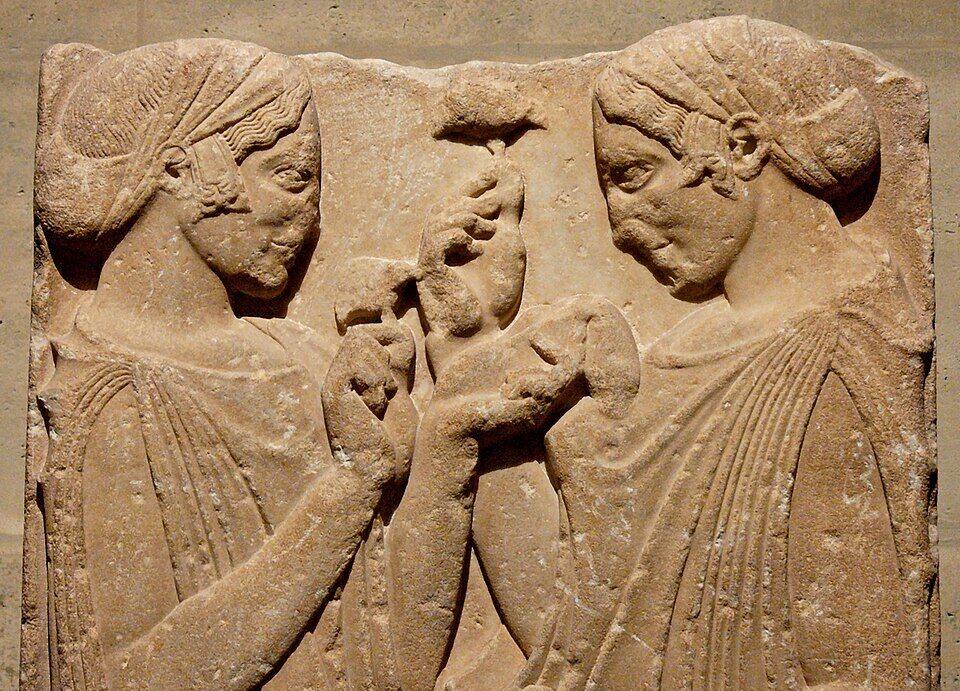
Classical antiquity marked a period of significant social, political, and cultural development in the Mediterranean world. Women in ancient Greece and Rome lived under increasingly formalized patriarchal systems but still contributed to family, religion, economy, and even politics. This article explores women’s roles, education, legal rights, and notable figures from Greece and Rome, highlighting both their agency and the restrictions imposed by society.
Women in Ancient Greece (c. 1000–323 BCE)
Social Roles and Daily Life
- Women were largely confined to the domestic sphere, managing households, raising children, and supervising slaves.
- Public life and politics were almost entirely male-dominated, except for religious roles and certain civic festivals
- In Sparta, women had more freedom, could own property, and received physical education.
Education
- Education for girls was limited compared to boys; it focused on domestic skills, religion, and etiquette.
- Elite families sometimes taught daughters literature, music, or philosophy informally.
Legal Rights
- Women could not vote or hold political office.
- Marriage and property laws varied: in Athens, women had minimal property rights, while in Sparta they could inherit land.
Notable Women
- Aspasia of Miletus (c. 470–400 BCE) – influential companion of Pericles, known for intellect and rhetorical skills.
- Spartan women – exercised relative independence in property management and physical training.
Religion and Influence
- Priestesses and religious festivals allowed women to exercise authority and gain social recognition.
- Goddesses such as Athena, Hera, and Demeter shaped cultural ideals of femininity and morality.
Women in Rome (c. 753 BCE – 500 CE)
Social Roles and Daily Life
- Roman women managed households, supervised education of children, and participated in religious rites.
- Upper-class women could influence politics indirectly through family and patronage networks.
Education and Occupations
- Elite women were educated in literature, philosophy, and the arts.
- Some women ran businesses, especially widows or freedwomen, contributing to economic life.
Legal Rights
- Roman women gained increasing control over property, inheritance, and contracts, especially under the Empire.
- Citizenship rights remained limited; political office was reserved for men.
Notable Women
- Cornelia Africana (c. 190–100 BCE) — mother of the Gracchi brothers, respected for virtue and education.
- Livia Drusilla (58 BCE–29 CE) — influential empress and advisor to Augustus.
- Cleopatra VII (69–30 BCE) — last pharaoh of Egypt, ruling during the Roman Republic’s final decades; known for political acumen and alliances with Julius Caesar and Mark Antony.
Religion and Symbolism
- Vestal Virgins – priestesses of Vesta, enjoyed privileges and legal protections.
- Female participation in cults and rituals offered social visibility and spiritual authority.
Limitations and Restrictions
- Patriarchal laws restricted political, legal, and economic power for most women.
- Marriage and familial obligations were central to women’s lives.
- Social class strongly determined access to education, property, and influence.