Time period: c. 500–1000 CE
The Early Middle Ages marked a period of transition following the fall of the Western Roman Empire. Women’s lives were deeply influenced by emerging kingdoms, feudal structures, and the continued spread of Christianity. While patriarchal norms dominated, women could exercise power through family networks, religious life, and land ownership. This article examines social roles, education, legal rights, religion, and notable women during this era.
Social Roles and Daily Life
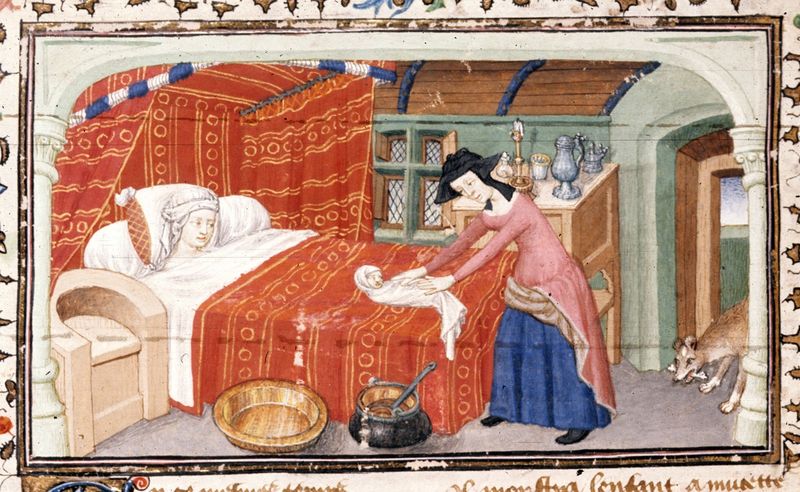
- Most women focused on household management, child-rearing, and overseeing agricultural labor.
- Noblewomen could influence politics and society through marriage alliances and estate management.
- Common women balanced domestic responsibilities with farming, craft production, and market participation.
Education
- Education remained limited, primarily accessible through convents for religious instruction.
- Literacy among women was rare outside monastic settings, but some elite women learned to read, write, and manage estates.
- Monastic communities became centers for preserving knowledge and cultural continuity.
Legal Rights
- Women’s property and inheritance rights varied by region and social class.
- Marriage and familial obligations strongly shaped women’s autonomy.
- Church law increasingly influenced civil law, sometimes providing protections for widows and daughters.
Religion and Influence
Christianity dominated, with convents offering women leadership, education, and social influence.
Abbesses and nuns managed resources, schools, and charitable institutions.
Female saints and martyrs served as moral exemplars and models of spiritual authority.
Notable Women
- Hildegard of Bingen (1098–1179) — slightly later, but an example of a learned and influential abbess in the medieval period.
- Fredegund (c. 545–597) — queen of Neustria, wielded political influence and power.
- Local noblewomen often managed estates and patronized religious institutions.
Limitations and Restrictions
- Patriarchy dominated legal and political structures; women had limited public authority.
- Rural and lower-class women’s lives were largely shaped by labor demands and family obligations.
- Religious devotion offered a socially sanctioned sphere of influence.